
Markets · In focus
Understanding the movement behind Nepal’s gold prices
Domestic prices can shift with international markets, exchange rates and local demand. The broader context matters as much as a single day’s figure.
Reporting and context on Nepal’s markets, agriculture, trade, tourism, infrastructure, remittances and public finance.
Domestic prices can shift with international markets, exchange rates and local demand. The broader context matters as much as a single day’s figure.

Production costs, purchasing arrangements and predictable payments all influence rural livelihoods.

A concise look at the factors that move the domestic market.

Visitor interest brings opportunity alongside questions of access and conservation.

Why daily price changes should be read within a wider trend.

International pricing and currency movement shape local purchasing costs.

Transport upgrades affect travel, trade and communities along the route.

Processing, standards and dependable buyers remain vital to growers.

Household security, migration and foreign exchange are closely connected.

Collection goals intersect with compliance, services and economic activity.
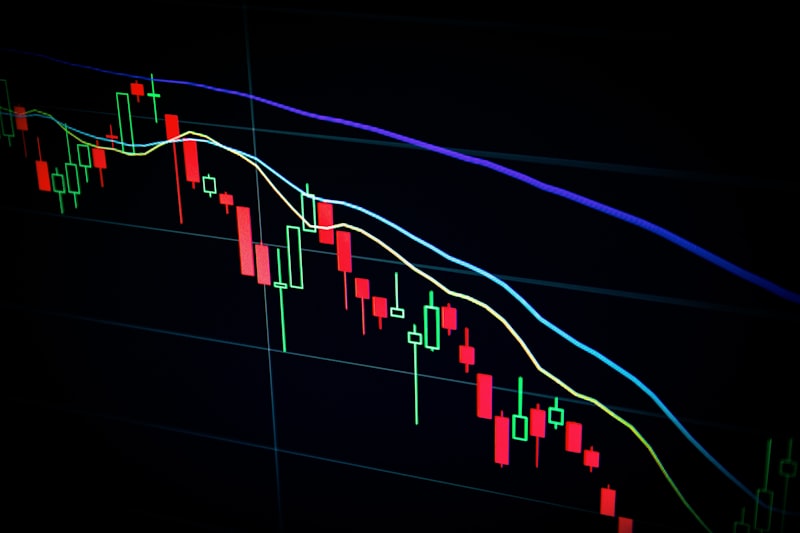
Market growth makes transparent rules and informed participation more important.

Technical progress must be assessed alongside environmental and economic questions.

Jewellers and households respond differently to market volatility.

Reliable routes can support tourism and mobility when demand is sustained.
Nepal Live Today looks beyond isolated numbers to explain how policy, markets and infrastructure affect households, workers and enterprises.
Economy coverage on Nepal Live Today follows public finance, commodities, farming, trade, transport, tourism and household income. Stories are organised to make technical developments easier to understand.
Read about Nepal Live Today →The archive includes markets, trade, agriculture, infrastructure, tourism, energy, remittances, revenue and other developments affecting livelihoods.
A daily figure is a snapshot. International prices, exchange rates, domestic demand and the comparison period can all shape the reported movement.
Yes. Agriculture, processing, exports, transport access and producer income are central parts of Nepal’s economy.
Use the archive pagination below the latest stories to move through existing Economy pages.
Category labels and story framing help readers distinguish reported developments from broader contextual analysis.
Email info@nepallivetoday.com-uk.com with a clear subject line and relevant supporting information.